

 Tiếng Việt

Politeness plays an important role in English communication. Whether you are speaking to a teacher, asking a colleague for assistance or requesting permission in a public place, choosing the right expression can make your message sound more considerate. The would you mind structure is a useful way to make requests and ask for permission without […]
Category Archives: vocabulary for ielts

27
Oct
Cambridge 14 is part of the well-established Cambridge IELTS practice test series. It provides authentic examination materials that allow IELTS candidates to practise the test format, develop exam techniques and assess their performance under timed conditions. Although newer Cambridge IELTS books are available, Cambridge IELTS 14 remains a useful resource for candidates preparing for the […]
27
Oct
How many correct answers do you need to achieve Band 7.0 in IELTS Listening? What score should you expect if you answer 28 out of 40 questions correctly? Understanding the IELTS Listening band score system helps you interpret practice test results, identify realistic targets and monitor your progress. Although Listening is marked using correct and […]

27
Oct
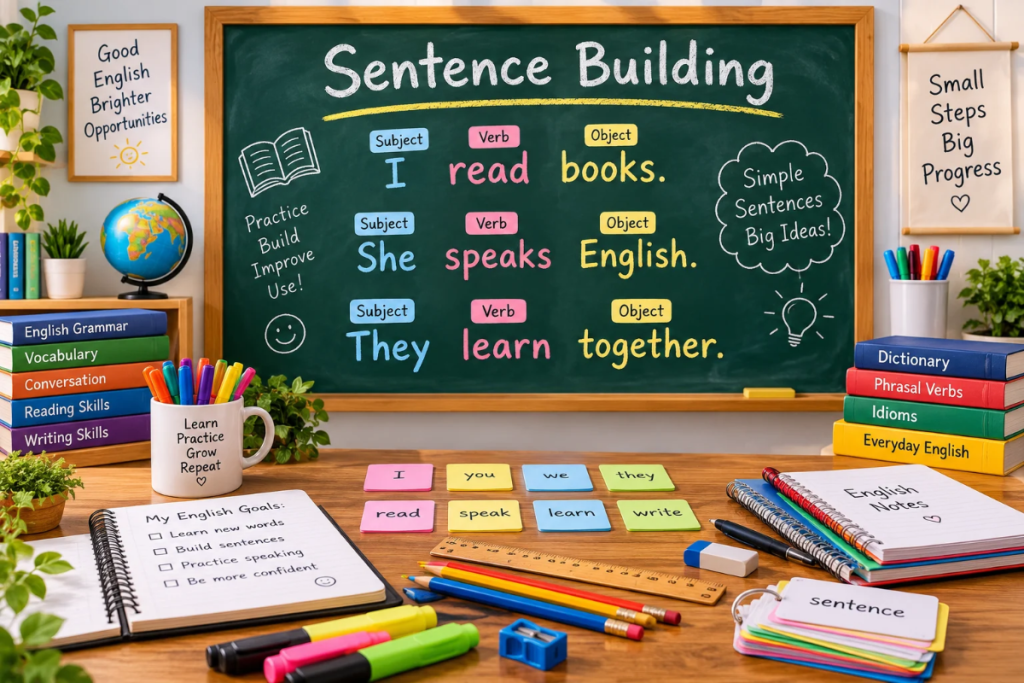
Pronouns are an essential part of English grammar. They help replace nouns, avoid repetition, and make sentences more natural and concise. Whether you are learning basic English or improving your writing and speaking skills, understanding pronouns in English will help you communicate more clearly. In this guide, you will learn the main types of pronouns, […]
27
Oct
Learning Grade 1 English Grammar helps children build a strong foundation in English. At this stage, children begin to recognize common words, understand simple sentence structures, and use basic expressions in everyday situations. Instead of memorizing complicated rules, they should learn grammar through familiar examples, pictures, songs, games, and short conversations. This guide introduces essential […]

27
Oct
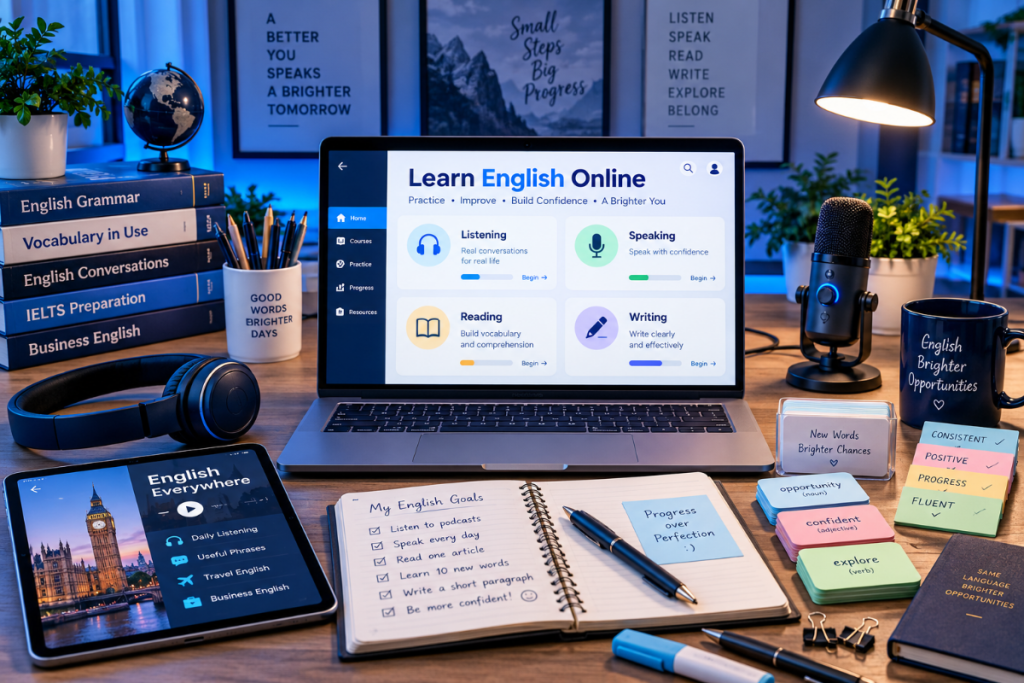
IELTS Map Writing Task 1 is a question type in the IELTS Academic Writing test that requires candidates to describe a location, explain changes to an area, or compare maps showing different stages of development. The maps may illustrate a village, a town centre, a park, a shopping area, or a proposed construction project. Unlike […]
26
Oct
Grade 2 English Grammar focuses on simple sentence patterns that children can use in familiar situations, such as introducing themselves, talking about their likes and abilities, describing actions, and saying where things are. At this stage, children benefit from short examples, pictures, and interactive activities rather than memorizing too many grammar terms. This guide covers […]

26
Oct
IELTS Speaking Part 3 is the final section of the IELTS Speaking test. It involves a two-way discussion between the candidate and the examiner, focusing on broader issues related to the topic discussed in Part 2. Candidates may be asked to express opinions, explain reasons, compare different situations, analyse social issues, or predict future developments. […]

26
Oct
Personal pronouns in English are an essential part of grammar. They help us refer to people, animals, and things without repeatedly using the same nouns. Understanding how to use pronouns such as I, you, he, she, it, we, and they correctly can make your speaking and writing clearer and more natural. In this guide, you […]

26
Oct
IELTS Speaking Part 2 is the section of the speaking test in which candidates are required to talk about a specific topic for approximately one to two minutes. Before speaking, you have one minute to prepare your ideas and make notes using the paper and pencil provided. The examiner gives you a cue card containing […]