
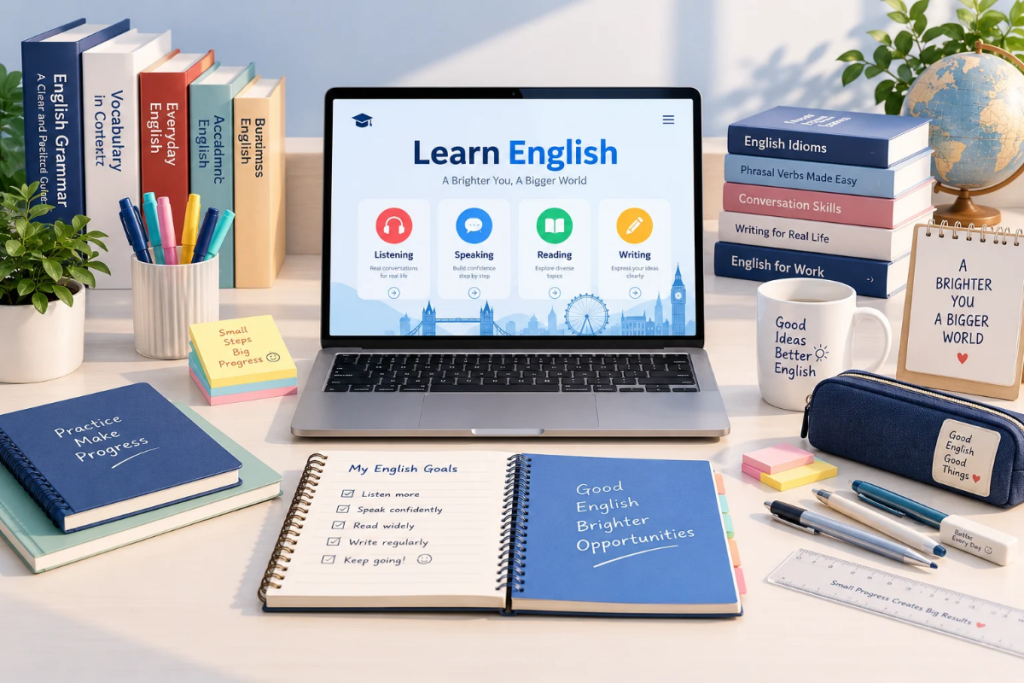
Learning English no longer requires spending hours in a traditional classroom. With a smartphone and the right learning tools, you can practice vocabulary, improve pronunciation, and develop speaking skills whenever you have free time. This convenience has made English conversation learning apps a popular choice for students, working professionals, and adults who want to communicate more confidently.
However, not every app offers the same learning experience. Some focus on pronunciation, while others help learners memorize vocabulary, practice conversations with AI, or communicate with people from different countries. Choosing an app that does not match your goals may lead to slow progress and wasted time.
So, which app should you choose? This guide explores popular types of English conversation learning apps, their key features, and how to select the right option for your level, schedule, and budget.
Why Use English Conversation Learning Apps?
Learn Anytime, Anywhere
One of the biggest advantages of English conversation learning apps is flexibility. You can spend 10–15 minutes practicing during a lunch break, while commuting, or before going to bed.
This approach is particularly useful for busy professionals, university students, and people with unpredictable schedules. Instead of attending classes at fixed times, you can divide your learning into shorter sessions throughout the day.
Improve Pronunciation and Speaking Fluency
Many language-learning apps use speech recognition technology to help learners practice pronunciation. Depending on the platform, you may receive feedback on individual sounds, word stress, or the clarity of your speech.
Regular speaking practice can help you become more familiar with English sounds and develop greater confidence when expressing yourself. However, automated feedback should be treated as a learning aid rather than a complete substitute for guidance from a qualified teacher or an experienced speaker.
Practice Real-Life Conversations
Some apps provide lessons based on everyday situations, such as ordering food, asking for directions, shopping, introducing yourself, or discussing work.
Other platforms allow you to connect with language partners or participate in online conversations. These experiences help you understand how English expressions are used in context rather than simply memorizing grammar rules.
Save Money With Free Learning Options
Many English conversation learning apps offer free versions with basic lessons and practice activities. These can be useful if you want to start learning without committing to a paid course.
However, advanced speaking exercises, unlimited practice sessions, or specialized learning features may require a subscription. Check the available features and payment conditions before choosing a paid plan.

Popular Types of English Conversation Learning Apps
Different apps serve different purposes. Understanding their strengths can help you choose tools that complement your learning goals.
Pronunciation Apps for Building a Strong Foundation
ELSA Speak focuses on English pronunciation and provides speaking exercises supported by speech recognition technology. Learners can practice individual sounds and work on aspects of pronunciation, including word stress and speech clarity.
It may be particularly useful if you often mispronounce words, feel uncomfortable speaking English, or want structured pronunciation practice. To develop broader communication skills, combine pronunciation exercises with vocabulary learning and conversation practice.
Duolingo uses gamified lessons to help learners build basic vocabulary and become familiar with grammar and language patterns. Its short activities can make it easier to develop a regular study habit.
The app can be a useful starting point for beginners. However, learners who want to participate in longer, more spontaneous conversations should supplement it with activities that require them to express their own ideas.
Apps for Learning Through Videos and Everyday Dialogues
Cake helps learners practice English through short videos, useful expressions, and conversational examples. You can listen to English in context and repeat selected sentences to become more familiar with natural speech patterns.
This approach may suit learners who enjoy visual content and want to learn expressions they can use in daily life.
For better results, avoid simply watching videos and repeating sentences mechanically. Write down useful expressions, create your own examples, and practice using them in different situations.
English Conversation Learning Apps for Speaking With Foreigners
If you already know some basic English and want more opportunities to practice, language exchange platforms can help you connect with other learners and English speakers.
HelloTalk connects language learners through supported communication features, which may include text messaging, voice messages, and other conversation tools. It can help you practice writing, learn informal expressions, and receive feedback from other users.
Tandem follows a language exchange model. Users can find partners who speak the language they want to learn and help each other practice. This arrangement can provide opportunities to learn how people express themselves in everyday situations.
Cambly focuses on online English lessons and conversations with tutors. It may be suitable for learners who want direct interaction, guided speaking practice, and feedback on their communication. Available services and costs depend on the selected plan.
When using apps that connect you with strangers, protect your personal information, review privacy settings, and communicate only with people you feel comfortable interacting with.
Vocabulary Apps That Support Conversation Skills
Memrise helps learners build vocabulary through learning activities and audiovisual content. Depending on the available course and features, learners can explore words and expressions in different contexts.
Remember that recognizing a word does not necessarily mean you can use it naturally in conversation. After learning new vocabulary, practice building sentences, describing everyday events, or creating short dialogues.
This process helps turn passive vocabulary knowledge into a skill you can use when speaking.
AI-Powered English Conversation Learning Apps
AI conversation tools allow learners to simulate a wide range of situations, including job interviews, hotel reservations, self-introductions, and discussions about personal interests.
You can ask an AI assistant to act as a conversation partner, adjust questions to your level, and explain mistakes in your responses. This makes it possible to practice repeatedly without having to coordinate schedules with another person.
However, AI feedback is not always accurate or appropriate for every context. Use it as a supplementary learning tool and combine it with reliable learning materials and conversations with real people.
English Conversation Learning Apps for Different Learners
English Conversation Learning Apps for Beginners
If you are new to English, choose an app with short lessons, clear instructions, and a structured progression.
Duolingo can help you become familiar with basic vocabulary and sentence structures, while ELSA Speak may be useful if pronunciation is your main concern. Cake is another option if you prefer learning through videos and everyday expressions.
At this stage, focus on familiar topics such as personal introductions, family, work, and hobbies. Avoid using too many apps simultaneously, as switching between different platforms can make it harder to establish a consistent learning routine.
English Conversation Learning Apps for Working Professionals
Working professionals often need English for practical situations, such as introducing themselves at work, arranging meetings, sharing opinions, or communicating with international colleagues.
You could use Cake to learn useful expressions, ELSA Speak to practice pronunciation, and an AI conversation tool to simulate workplace discussions. If you need direct feedback, online tutoring may also be worth considering.
Prioritize short lessons that fit into a 15–20-minute study session. Save frequently used expressions and practice them until you can use them confidently in relevant situations.
English Conversation Learning Apps for Adults
If you have studied English for years but still struggle to speak spontaneously, vocabulary may not be your only challenge. You might also need more practice organizing ideas, responding quickly, or applying familiar language patterns in real conversations.
In this case, combine speaking apps with topic-based conversation exercises. For example, practice answering questions with an AI tool before discussing the same topic with a language partner or tutor.
Your goal should not simply be to speak faster. Focus on expressing ideas clearly, understanding questions, and keeping a conversation going when you cannot immediately find the right word.
English Conversation Learning Apps for Kids
When choosing an app for children, prioritize age-appropriate content, engaging visuals, short lessons, and interactive activities. Familiar topics such as colors, animals, family members, and everyday objects are often suitable for young learners.
Apps can introduce children to English vocabulary and sounds, but they should not be the only learning method. Parents can support learning through songs, picture books, simple question-and-answer games, and everyday conversations.
Also, check for advertisements, in-app purchases, privacy settings, and screen-time controls before allowing children to use an app independently.
How to Choose English Conversation Learning Apps
Identify Your Main Learning Goal
Before downloading an app, determine which skill you want to improve.
If pronunciation is your biggest challenge, look for a specialized speaking tool. If you need more vocabulary, choose an app with topic-based lessons. If you struggle to respond during conversations, prioritize AI simulations or opportunities to communicate with other people.
Having a clear objective makes it easier to evaluate whether an app is helping you progress.
Check the Learning Path and Content
A useful app should provide material that matches your current level. Beginners may benefit from short sentences and familiar situations before moving on to more complex discussions.
Look for features that allow you to review lessons, monitor progress, and revisit areas where you need additional practice.
Compare Free and Paid Features
Do not rush into a long-term subscription simply because an app offers attractive features. Try the free version first and evaluate the quality of the lessons and the usefulness of the available exercises.
If you decide to pay, compare monthly and annual costs, renewal conditions, and cancellation policies.
Prioritize Active Speaking Practice
An app with many lessons will not necessarily improve your speaking ability if you spend most of your time watching videos or reading explanations.
Choose tools that encourage you to speak aloud, answer questions, construct sentences, and apply what you have learned to realistic situations.
You can also record a short speaking sample after each session to track your progress over time.

How to Practice English With Apps Every Day
Build a Consistent Study Routine
Instead of studying for several hours one day and ignoring your app for the rest of the week, create a manageable routine. Start with 15–20 minutes per day and adjust your schedule as needed.
Consistency matters, but the goal is not simply to maintain a daily streak. Make sure each session includes activities that actively develop your English skills.
Combine Listening, Speaking, and Review
You can divide a study session into three activities: listen to a short dialogue, repeat important expressions, and create a similar conversation of your own.
For example, after studying how to order food, practice playing both the customer and the server. Change the food, prices, or requests to explore different ways of using the same expressions.
This method encourages you to produce language rather than merely recognize familiar sentences.
Keep Track of Common Mistakes
Create a list of words you find difficult to pronounce, sentence patterns you often misuse, and situations where you struggle to express yourself.
Review the list every week and practice the areas that need improvement. Setting measurable goals, such as introducing yourself for one minute or maintaining a short conversation about your hobbies, can help you evaluate progress more meaningfully than counting completed lessons alone.
Combine Apps With Real-Life Practice
Apps are convenient learning tools, but effective communication also requires listening, responding, and interacting in situations you cannot fully predict.
If you regularly study alone but still feel nervous about speaking, consider joining an English club, practicing with a language partner, or enrolling in a guided learning program.
A supportive learning environment can provide feedback, help you correct mistakes, and encourage you to keep improving.
Building a Sustainable English Speaking Routine
You do not need to download every available app to improve your English. Start with one app that addresses your main learning goal and add a second tool when you need additional practice.
For example, beginners can combine pronunciation exercises with short dialogues. Working professionals can prioritize workplace conversations, while learners with a stronger foundation can spend more time speaking with real people.
The most important factors are maintaining a realistic schedule, speaking actively, and reviewing recurring mistakes. If self-study does not resolve your specific challenges, consider finding a tutor or joining a structured English program.
With consistent practice and the right combination of learning tools, you can gradually build the confidence and skills needed to communicate more effectively in English.
Frequently Asked Questions About English Conversation Learning Apps
Are Free English Conversation Learning Apps Effective?
Yes, free apps can be useful when they match your learning needs and you practice consistently. Many provide basic vocabulary lessons, pronunciation exercises, and speaking activities. To improve communication, actively practice speaking instead of simply completing exercises.
Should I Practice Pronunciation Before Speaking With Foreigners?
Beginners should develop basic vocabulary, pronunciation, and sentence-building skills while gradually practicing simple conversations. You do not need to wait until your English is perfect before speaking. Combining both activities helps you build confidence and communication skills.
Should I Use Multiple English Conversation Learning Apps?
Using two or three apps can be helpful if each serves a different purpose, such as pronunciation, vocabulary, or conversation practice. However, focus on maintaining a consistent routine rather than switching between too many platforms without a clear learning plan.
How Long Should I Practice English With an App Every Day?
Beginners can start with 15–20 minutes per day and adjust according to their goals and schedules. Divide your time between listening, speaking, and reviewing what you have learned. Consistent, focused practice is generally more useful than long sessions without a clear purpose.
Can AI English Conversation Apps Replace a Teacher?
AI tools can simulate conversations, suggest expressions, and provide flexible speaking practice. However, they may not identify every mistake or fully understand the context of a conversation. A teacher can assess overall progress, adjust the learning path, and provide guidance tailored to your individual needs.
Từ khóa:
- Free English conversation learning apps
- English conversation apps with foreigners
- English conversation apps for working professionals
- English conversation apps for adults
- AI-powered English conversation learning apps
