
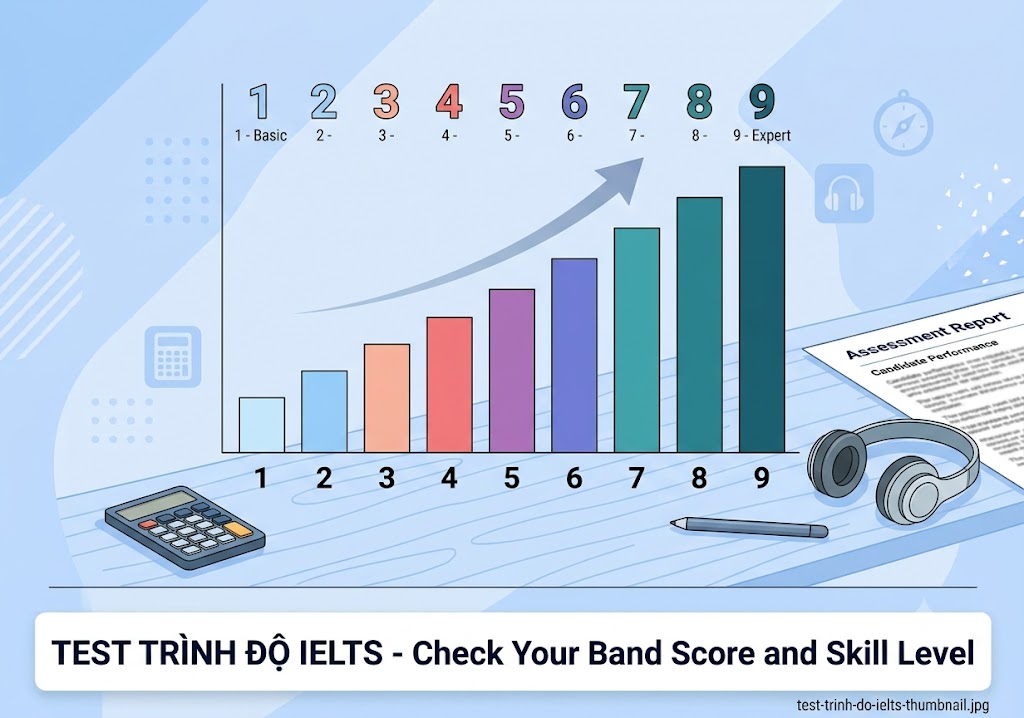
The IELTS examination requires candidates to have not only strong English skills but also effective test-taking strategies. Familiarity with time pressure and the actual exam format plays an important role in achieving a good result.
Today, the IELTS mock test has become a popular preparation tool among IELTS candidates. It provides a useful overview of your current English proficiency and helps you identify areas that need improvement.
This article explains what mock tests are, how they work, and how to make the most of them. Discover practical strategies to improve your performance and work towards your target band score.
What Is an IELTS Mock Test, and Why Should You Take One?
Before beginning your IELTS preparation journey, it is important to understand what a mock test involves. It is a practice examination designed to simulate the format and conditions of the official IELTS test as closely as possible.
A complete mock test covers all four skills: Listening, Reading, Writing, and Speaking. This allows you to evaluate your current abilities and identify areas that require further practice.
Mock tests can also help reduce exam anxiety by familiarising you with the test structure, timing, and pressure associated with completing tasks within strict time limits.

Understanding the IELTS Mock Test
Simply put, an IELTS mock test is a simulated version of the actual examination. It reproduces the test format and question types and may also replicate examination conditions, depending on the provider.
The results may include a score report and feedback on your mistakes. This information helps you identify gaps in your knowledge and develop a more targeted study plan.
Many IELTS teachers recommend taking a full mock test periodically, such as every two weeks, depending on your preparation stage. However, this is a suggested study strategy rather than an official IELTS requirement.
Key Benefits of Taking a Mock Test Before the Real Exam
One major benefit of mock testing is that it helps you assess your readiness before paying for the official examination. By identifying your current performance level, you can set realistic goals and focus on the skills that need improvement.
Mock tests also help develop concentration and mental stamina, particularly when you complete a full examination under timed conditions.
In addition, practising different question types can make you more adaptable when encountering unfamiliar topics. Rather than being surprised by a challenging passage or question, you will have experience applying strategies under pressure.
Popular Types of IELTS Mock Tests
Advances in technology have given learners more ways to practise. You can take an online mock test at home or attend an in-person session at a preparation centre.
Each format has its own advantages and limitations. Choosing the right option can make your preparation more convenient and effective.
Regardless of the format, you should follow the time limits and examination rules as closely as possible to obtain a meaningful assessment of your performance.
Online IELTS Mock Tests for Busy Learners
If you have limited time for travelling, an IELTS mock test online can be a convenient option. You can practise at home and choose a suitable time for your preparation.
All you generally need is a computer and a stable internet connection. Many platforms offer interfaces that resemble the computer-delivered IELTS examination.
This format is particularly useful for candidates planning to take IELTS on a computer. It allows you to become familiar with typing answers, navigating questions, and highlighting text where the practice platform supports these functions.
However, not every online platform reproduces the official examination interface or provides professionally assessed Writing and Speaking scores. Always check the quality and limitations of the service you choose.
In-Person Mock Tests for a Realistic Exam Experience
Taking a mock test at a preparation centre can provide a more realistic examination environment. You may need to follow invigilator instructions, observe examination rules, and complete tasks alongside other candidates.
Practising under these conditions can help you manage distractions and feel more comfortable in a formal testing environment.
In-person sessions may also provide opportunities to receive direct feedback on your Speaking performance, including pronunciation, fluency, and the development of your answers.
If you choose this format, look for a reputable provider with qualified instructors and a clear assessment process.
How to Choose a High-Quality Free IELTS Mock Test
As demand for IELTS preparation grows, many websites offer free practice tests. However, not all resources are equally reliable or accurate.
Using outdated materials or tests that do not reflect the IELTS format may lead to misleading assessments of your abilities.
Before starting a practice test, consider the following factors to ensure that the resource supports your preparation effectively.
Updated Materials and Relevant Question Types
A reliable practice resource should reflect the current IELTS test format and use appropriate question types. For example, candidates searching for an IELTS mock test 2025 may find older preparation materials, but they should still verify that the test structure and instructions remain relevant.
Speaking and Writing topics may vary, and no practice platform can guarantee which topics will appear in your actual examination.
Look for clearly sourced materials, accurate instructions, and resources recommended by reputable educational providers. Avoid assuming that a test is reliable simply because it is labelled with a recent year.
Detailed Scoring and Constructive Feedback
A useful mock test should provide more than a numerical score. Detailed feedback helps you understand your mistakes and decide what to practise next.
For Writing and Speaking, prioritise platforms that explain their assessment criteria and, where possible, provide feedback from qualified IELTS teachers or experienced examiners.
Automated assessment tools can offer useful initial feedback, but their scores should not automatically be treated as equivalent to official IELTS results.
For Listening and Reading, choose tests with accurate answer keys and explanations that show why particular answers are correct or incorrect.
How to Take an Online IELTS Mock Test Effectively
To obtain meaningful results, you should prepare carefully before starting an online mock test. Taking a test casually or repeatedly interrupting it can make your score less representative of your actual performance.
Treat each full mock test as a rehearsal for the real examination. Prepare your equipment, remove distractions, and follow the time limits.
The following steps can help you create a more effective practice routine.
Prepare Your Study Environment and Equipment
Before starting, choose a quiet room where you can concentrate without interruptions. Let family members or housemates know that you need uninterrupted study time.
Check your headphones, keyboard, mouse, and internet connection if you are taking a computer-based practice test. Technical problems can disrupt your concentration and affect your results.
Close unrelated browser tabs and put your phone away. Do not use dictionaries, translation tools, or unauthorised materials during the test if your goal is to simulate actual examination conditions.
Manage Your Time Across the Test Sections
For IELTS Reading, you have 60 minutes to answer 40 questions across three passages. You could begin by allocating approximately 18 minutes to each passage and reserving the remaining time for checking answers. Adjust this plan according to passage difficulty and your performance.
For IELTS Writing, a practical strategy is to spend around 20 minutes on Task 1 and 40 minutes on Task 2. Since Task 2 carries greater weight in the Writing score, it is important to leave enough time to develop your essay fully.
During Listening, use the available preparation time to read the questions and predict the type of information required. This can help you recognise relevant details more efficiently.
For Speaking, practise answering naturally and coherently without relying on memorised scripts.
Common Mistakes to Avoid When Taking IELTS Mock Tests
Mock tests are valuable opportunities to identify weaknesses, but repeatedly making the same mistakes can limit your progress.
Many learners develop unhelpful habits that reduce the effectiveness of their preparation. Recognising these problems allows you to use your study time more productively.
Taking Too Many Mock Tests Without Reviewing Them
Some candidates become anxious about their progress and complete practice tests every day. However, taking more tests does not necessarily lead to a higher band score.
Mock tests are primarily assessment tools. They help you identify weaknesses, but improvement requires targeted learning and deliberate practice.
After completing a test, allow enough time to analyse your mistakes and review the relevant skills. Depending on your needs, you may benefit from spending several days correcting weaknesses before taking another full test.
The quality of your review matters more than the number of tests you complete.

Ignoring Mistake Analysis After Receiving Your Results
One of the most common mistakes is checking the overall score and then moving on without examining incorrect answers.
This approach makes it more likely that you will repeat the same mistakes in future tests. Instead, keep a study journal containing unfamiliar vocabulary, grammatical errors, difficult question types, and strategies for improvement.
Identify the question types that cause the most difficulty, such as Matching Headings or Multiple Choice. Then practise those areas systematically before attempting another full test.
For Writing and Speaking, record recurring problems and seek feedback where possible. This helps you focus on specific improvements rather than relying on general practice alone.
Achieving your target IELTS band score requires consistency, effective preparation, and a clear understanding of your strengths and weaknesses. Using an IELTS mock test strategically can help you become familiar with the examination format, improve time management, and identify areas for further study.
Start by choosing a reliable platform, establishing a regular practice schedule, and reviewing every test carefully. With a disciplined approach and targeted improvement, you can build confidence and move closer to your desired IELTS score.
Frequently Asked Questions (FAQs)
1. How many IELTS mock tests should I take before the actual exam?
Taking five to seven full mock tests can be a useful preparation goal, although the ideal number depends on your current level and study schedule. Allow enough time between tests to analyse mistakes and improve weak areas.
2. Are online IELTS mock test results accurate compared with the real exam?
Online mock test results can help estimate your current performance, but their accuracy depends on the quality of the questions, scoring methods, and feedback. Writing and Speaking estimates may differ from official results, so treat them as guidance rather than guarantees.
3. Should I practise individual skills or complete full mock tests?
This depends on your preparation stage. Beginners may benefit from practising individual skills to strengthen their foundations. As the examination approaches, full-length mock tests can help develop stamina, concentration, and time-management skills.
Keyword:
- Ielts mock test
- Ielts mock test 2025
- Ielts mock test online
- Online ielts mock test
- Free ielts mock test
