
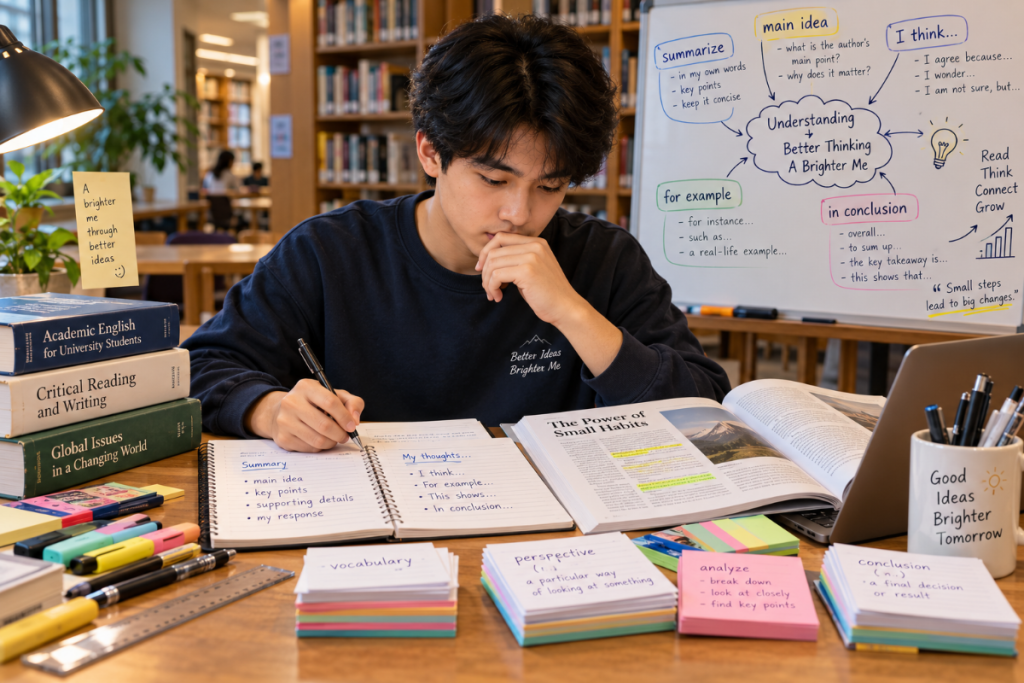
Learning English vocabulary is an important step in helping second-grade children develop their language skills. At this age, children are becoming more familiar with everyday English and can gradually learn to use new words in simple sentences and conversations.
Instead of memorizing long lists of unrelated words, children can learn more effectively when vocabulary is organized into familiar topics, such as family, school, colors, animals, food, and daily activities. Pictures, pronunciation practice, and short example sentences can also make learning more engaging.
This guide to Grade 2 English Vocabulary introduces common words by topic, together with IPA pronunciation, Vietnamese meanings, and example sentences. Parents can use these lists to help children review school lessons, practice speaking, and build a daily English-learning habit.
Why Is Grade 2 English Vocabulary Important?
Building a vocabulary foundation helps children understand simple instructions, recognize familiar words, and express basic ideas in English.

Build a Strong English Foundation
Children who regularly learn and review new words become more familiar with everyday English. They can gradually recognize vocabulary in classroom activities, stories, songs, and simple conversations.
Improve Listening and Speaking Skills
Knowing a word’s meaning is only one part of learning it. Children also need to hear how the word is pronounced and practice saying it aloud. For example, learning the words book, pen, and teacher helps them understand common classroom conversations.
Develop Reading and Writing Skills
Vocabulary knowledge helps children recognize words when reading short sentences and write simple descriptions. Familiar words also make it easier for them to understand beginner-level reading passages.
Make English Learning More Enjoyable
Topic-based vocabulary connects English with children’s daily experiences. Learning the names of family members, favorite animals, or familiar foods can make lessons feel more relevant and easier to remember.
Grade 2 English Vocabulary by Topic
The following lists cover six familiar topics that children can practice at home or use to review their English lessons. Pronunciation is shown in IPA, and each word includes a Vietnamese meaning and a simple example sentence.
Grade 2 English Vocabulary: Family Members
Family vocabulary helps children introduce their relatives and talk about the people closest to them.
| English Word | IPA | Vietnamese Meaning | Example Sentence |
| father | /ˈfɑːðər/ | bố, cha | This is my father. |
| mother | /ˈmʌðər/ | mẹ | My mother is kind. |
| brother | /ˈbrʌðər/ | anh, em trai | I have a brother. |
| sister | /ˈsɪstər/ | chị, em gái | My sister is happy. |
| grandfather | /ˈɡrændˌfɑːðər/ | ông | My grandfather is old. |
| grandmother | /ˈɡrændˌmʌðər/ | bà | My grandmother is nice. |
| baby | /ˈbeɪbi/ | em bé | The baby is sleeping. |
| family | /ˈfæməli/ | gia đình | I love my family. |
Practice idea: Show your child a family photo and ask, “Who is this?” Encourage them to answer with a complete sentence, such as “This is my mother” or “This is my grandfather.”
Grade 2 English Vocabulary: School Things
School vocabulary allows children to identify familiar classroom objects and follow simple instructions from teachers.
| English Word | IPA | Vietnamese Meaning | Example Sentence |
| school | /skuːl/ | trường học | I go to school. |
| classroom | /ˈklæsruːm/ | phòng học | This is my classroom. |
| teacher | /ˈtiːtʃər/ | giáo viên | My teacher is nice. |
| student | /ˈstuːdənt/ | học sinh | I am a student. |
| book | /bʊk/ | sách | This is my book. |
| notebook | /ˈnoʊtbʊk/ | vở ghi | I have a notebook. |
| pen | /pen/ | bút mực | This is a blue pen. |
| pencil | /ˈpensəl/ | bút chì | I write with a pencil. |
| ruler | /ˈruːlər/ | thước kẻ | My ruler is long. |
| eraser | /ɪˈreɪsər/ | cục tẩy | I have a new eraser. |
Practice idea: Ask your child to find each object in their schoolbag. Say the English word together, then make a short sentence using it.
Grade 2 English Vocabulary: Colors
Learning colors helps children describe objects, clothes, toys, and pictures.
| English Word | IPA | Vietnamese Meaning | Example Sentence |
| red | /red/ | màu đỏ | The apple is red. |
| blue | /bluː/ | màu xanh dương | My bag is blue. |
| yellow | /ˈjeloʊ/ | màu vàng | The sun is yellow. |
| green | /ɡriːn/ | màu xanh lá | The tree is green. |
| black | /blæk/ | màu đen | My shoes are black. |
| white | /waɪt/ | màu trắng | The cat is white. |
| pink | /pɪŋk/ | màu hồng | I have a pink pen. |
| orange | /ˈɔːrɪndʒ/ | màu cam | The orange ball is big. |
| brown | /braʊn/ | màu nâu | The bear is brown. |
| purple | /ˈpɜːrpəl/ | màu tím | My dress is purple. |
Practice idea: Play a color-finding game. Ask your child to find something red, blue, or green in the room and describe it in English.
Grade 2 English Vocabulary: Animals
Animal vocabulary is often engaging for young learners because they can connect words with pictures, sounds, and stories.
| English Word | IPA | Vietnamese Meaning | Example Sentence |
| cat | /kæt/ | con mèo | I have a cat. |
| dog | /dɔːɡ/ | con chó | The dog can run. |
| bird | /bɜːrd/ | con chim | The bird can fly. |
| fish | /fɪʃ/ | con cá | The fish is small. |
| rabbit | /ˈræbɪt/ | con thỏ | The rabbit is white. |
| elephant | /ˈelɪfənt/ | con voi | The elephant is big. |
| tiger | /ˈtaɪɡər/ | con hổ | The tiger is strong. |
| monkey | /ˈmʌŋki/ | con khỉ | The monkey can climb. |
| bear | /ber/ | con gấu | The bear is brown. |
| duck | /dʌk/ | con vịt | The duck can swim. |
Practice idea: Use animal flashcards or picture books. Let your child name each animal, imitate its movement, or describe it using simple words such as big, small, fast, and cute.
Grade 2 English Vocabulary: Food and Drinks
Food and drink vocabulary helps children talk about meals, preferences, and familiar items at home.
| English Word | IPA | Vietnamese Meaning | Example Sentence |
| apple | /ˈæpəl/ | quả táo | I eat an apple. |
| banana | /bəˈnænə/ | quả chuối | I like bananas. |
| orange | /ˈɔːrɪndʒ/ | quả cam | This is an orange. |
| bread | /bred/ | bánh mì | I eat bread for breakfast. |
| rice | /raɪs/ | cơm, gạo | I eat rice every day. |
| egg | /eɡ/ | trứng | I have an egg. |
| milk | /mɪlk/ | sữa | I drink milk. |
| water | /ˈwɔːtər/ | nước | I drink water. |
| juice | /dʒuːs/ | nước ép | I like orange juice. |
| chicken | /ˈtʃɪkɪn/ | thịt gà, con gà | I eat chicken for lunch. |
Practice idea: During meals, ask simple questions such as “Do you like apples?” or “What do you drink?” Help your child answer with short sentences like “Yes, I do” or “I drink milk.”
Grade 2 English Vocabulary: Daily Activities
Words about daily activities help children describe what they do at home and at school.
| English Word | IPA | Vietnamese Meaning | Example Sentence |
| read | /riːd/ | đọc | I read a book. |
| write | /raɪt/ | viết | I write my name. |
| listen | /ˈlɪsən/ | nghe | I listen to music. |
| speak | /spiːk/ | nói | I speak English. |
| play | /pleɪ/ | chơi | I play with my friends. |
| run | /rʌn/ | chạy | I can run fast. |
| walk | /wɔːk/ | đi bộ | I walk to school. |
| eat | /iːt/ | ăn | I eat breakfast. |
| drink | /drɪŋk/ | uống | I drink water. |
| sleep | /sliːp/ | ngủ | I sleep at night. |
Practice idea: Ask your child to act out each activity while saying the English word. Then help them describe their routine with sentences such as “I read a book” or “I play with my friends.”
How to Learn Grade 2 English Vocabulary Effectively
Children do not need to memorize every word in one sitting. A short, regular routine that combines listening, speaking, and review can make vocabulary practice more manageable.
Learn Grade 2 English Vocabulary with Pictures
Pictures help children connect English words with objects and actions. Parents can use flashcards, illustrated books, or drawings to introduce new vocabulary.
For example, show a picture of a dog, say “dog,” and let your child repeat it. Then ask them to point to the dog when they hear the word again.
Practice Pronunciation with Audio
Children should hear how words sound before practicing them independently. Use reliable audio from learning materials or a dictionary with pronunciation recordings.
Encourage your child to listen and repeat at a comfortable pace. Focus on clear pronunciation rather than expecting a perfect accent.
Use New Words in Simple Sentences
Learning a word in context helps children understand how to use it. Instead of memorizing only apple, practice “I eat an apple.” Instead of learning only blue, practice “My bag is blue.”
Start with short sentences and gradually introduce questions and answers as your child becomes more confident.
Review Vocabulary Regularly
Short review sessions help children revisit words they have already learned. You can review yesterday’s words, practice them again after a few days, and return to them the following week.
Try mixing familiar words with a few new ones so children can build confidence without feeling overwhelmed.
Keep Each Learning Session Short
Young learners may find long study sessions tiring. Start with around 10–15 minutes, depending on your child’s attention span, and adjust the duration as needed.
A simple session might include reviewing five words, listening to their pronunciation, using them in sentences, and finishing with a quick game.
Common Mistakes When Learning Grade 2 English Vocabulary
Recognizing common learning difficulties can help parents make vocabulary practice more effective.
Memorizing Only Vietnamese Meanings
Knowing the Vietnamese translation does not automatically mean a child can recognize or use the English word. Combine meanings with pictures, pronunciation, and simple example sentences.
Ignoring Pronunciation
Children may remember a written word but struggle to recognize it when someone says it aloud. Include listening and repetition in regular practice.
Learning Too Many Words at Once
Introducing too many new words can make lessons difficult to remember. Start with a small group, practice it in context, and add more vocabulary gradually.
Reviewing Only Once
Children need repeated exposure to retain new words. Revisit vocabulary through games, picture cards, short conversations, and everyday activities.
Learning Words Without Using Them
A child may recognize a word but not know how to use it in a sentence. Encourage active practice with simple statements and questions, such as “I have a pencil” or “What color is it?”

Build a Consistent English-Learning Habit for Grade 2 Children
Developing vocabulary takes time, so consistency is more important than completing a long list in one day. Parents can create a simple routine by choosing one topic, introducing a few words, practicing pronunciation, and using the words in short sentences.
For example, a family-themed session might begin with pictures of relatives, continue with the words father, mother, and sister, and end with the child introducing family members in English.
As children become familiar with the words, parents can mix topics to help them remember vocabulary in different contexts. Keep the activities positive, celebrate progress, and allow children to revisit difficult words without pressure.
With regular practice, Grade 2 English Vocabulary can become part of children’s daily experiences rather than a task they only complete during study time.
Frequently Asked Questions About Grade 2 English Vocabulary
How many English vocabulary words should a Grade 2 child learn each day?
There is no fixed number that works for every child. Parents can start with around three to five new words per session, depending on the child’s attention span and existing knowledge. Review familiar words regularly before adding more.
Should children learn Grade 2 English Vocabulary by topic or by textbook unit?
Both approaches can be useful. Textbook units help children review what they learn at school, while topic-based vocabulary connects related words and makes home practice more flexible. Parents can combine the two methods.
How can parents make Grade 2 English Vocabulary practice more enjoyable?
Use flashcards, picture books, songs, drawing, role-play, and simple guessing games. Connecting vocabulary to familiar activities, such as packing a schoolbag or eating breakfast, can also make practice more meaningful.
Should Grade 2 children learn IPA pronunciation?
Children can benefit from hearing and repeating accurate pronunciation, but they do not need to master IPA symbols immediately. Parents can use the pronunciation guides in this article as a reference while focusing on listening and speaking practice.
Can children use this vocabulary list with different English textbooks?
Yes. The topics in this guide cover common everyday vocabulary that can support general English practice. However, the exact words and order may differ across textbooks and school programs, so parents should also check the child’s current lessons.
Keywords:
- Grade 2 English Vocabulary by Topic
- Grade 2 English Vocabulary Global Success
- Grade 2 English Vocabulary for Term 1
- Grade 2 English Vocabulary Unit 11
- Grade 2 English Vocabulary Family and Friends
